Dear Family and Friends,
The bears have been unusually quiet this year. Plenty of sightings, but no lingering in view for photo opportunities. In the quiet hours of patrolling through wide open sage meadows, willow flats, and mountain forest trails, I noticed something fascinating. The wild flowers bloom in a progression of colors.
Now some of you may know this already. I thought I had noticed this phenomenon in the previous years we volunteered here, but I did not take careful notes. This year I paid attention to what I saw blooming. First white, then yellow, followed by blues and lavenders, and finally vibrant reds.
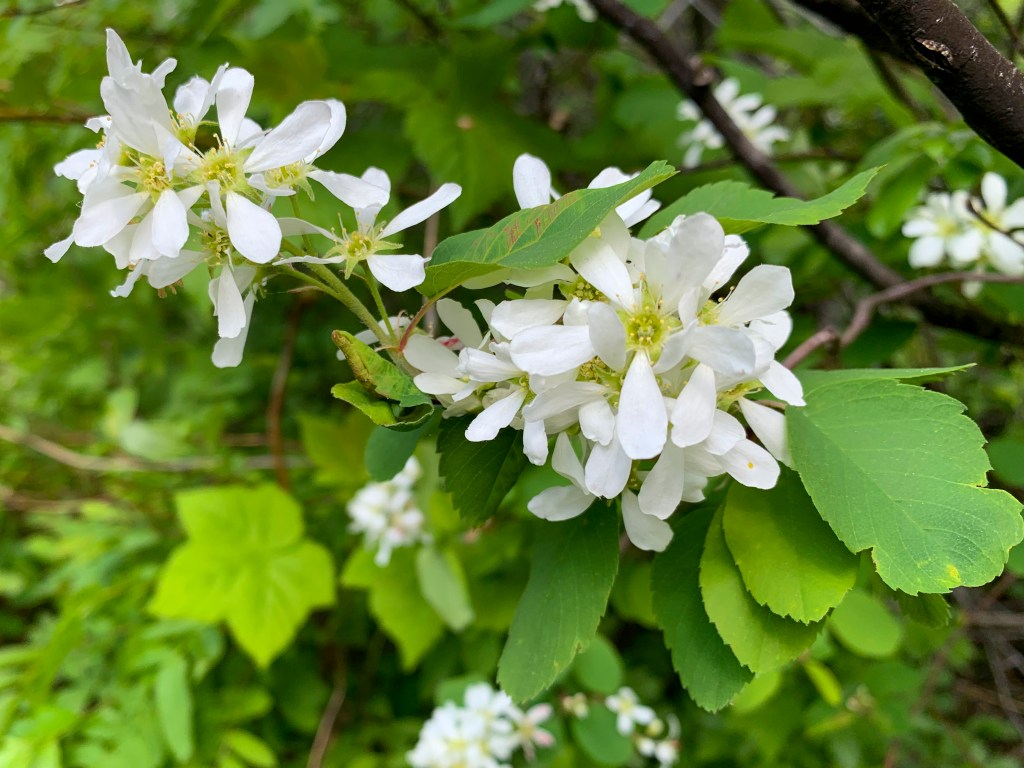
When we arrived in April, my favorite, tiny, white, Spring Beauty was here to greet us, popping up as the snow melted from the wide valley floor. Along the rivers and roads, Saskatoon shrubs, also known as Serviceberry are covered in tassels of white blooms that perfume the air with a sweet scent that rides the spring breezes. Chokecherry bushes brighten the still winter-gray landscape.

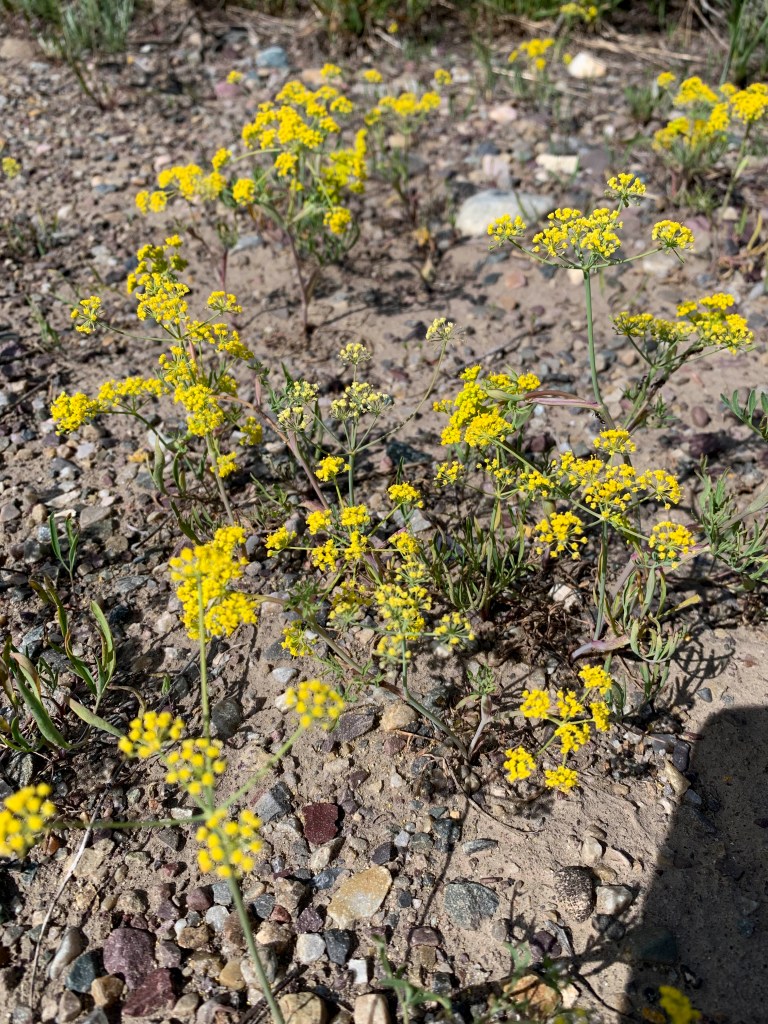
Leading the yellows are delicate Yellowbells and of course, Dandelions. These flowers are all just a few inches tall. But the first flower to really captivate spring visitors are the plush carpets of Biscuitroot that splash the ground.

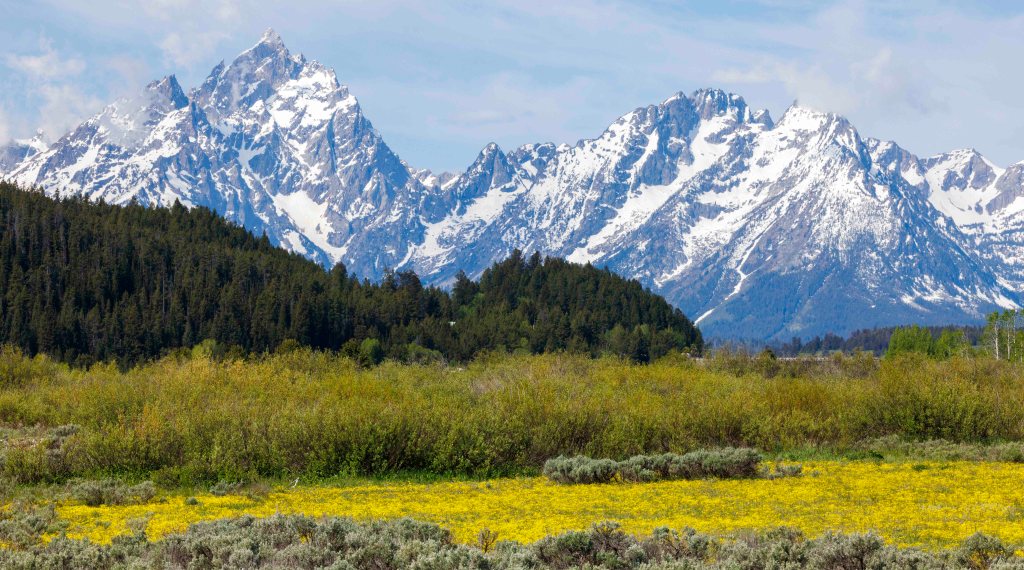
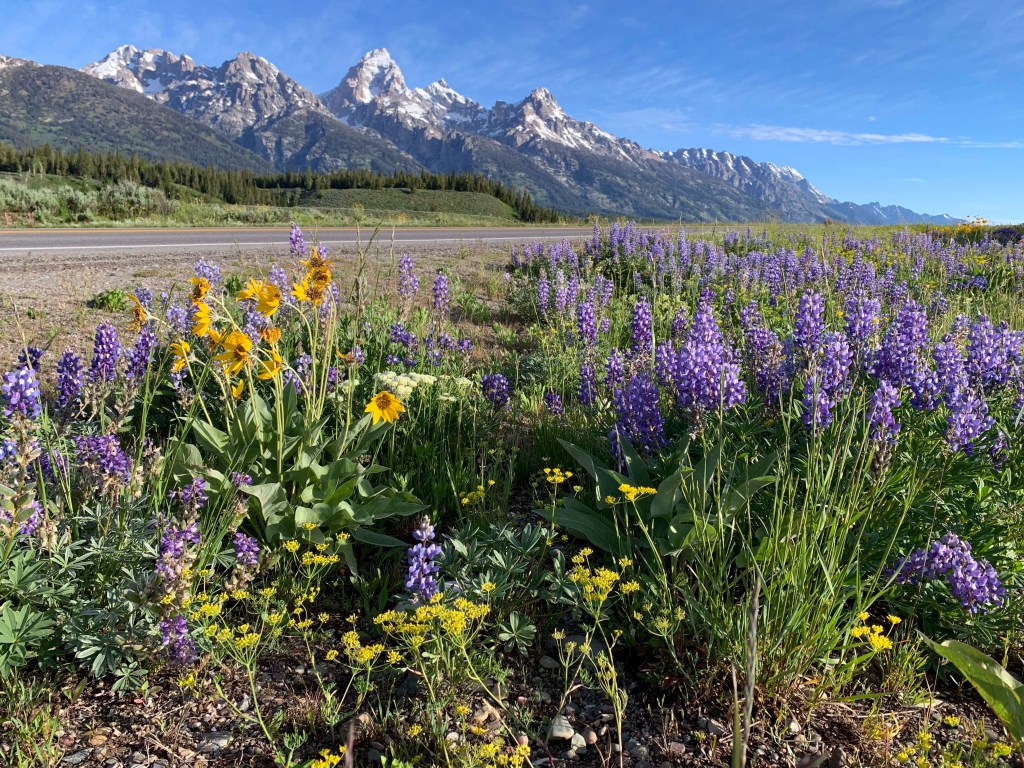
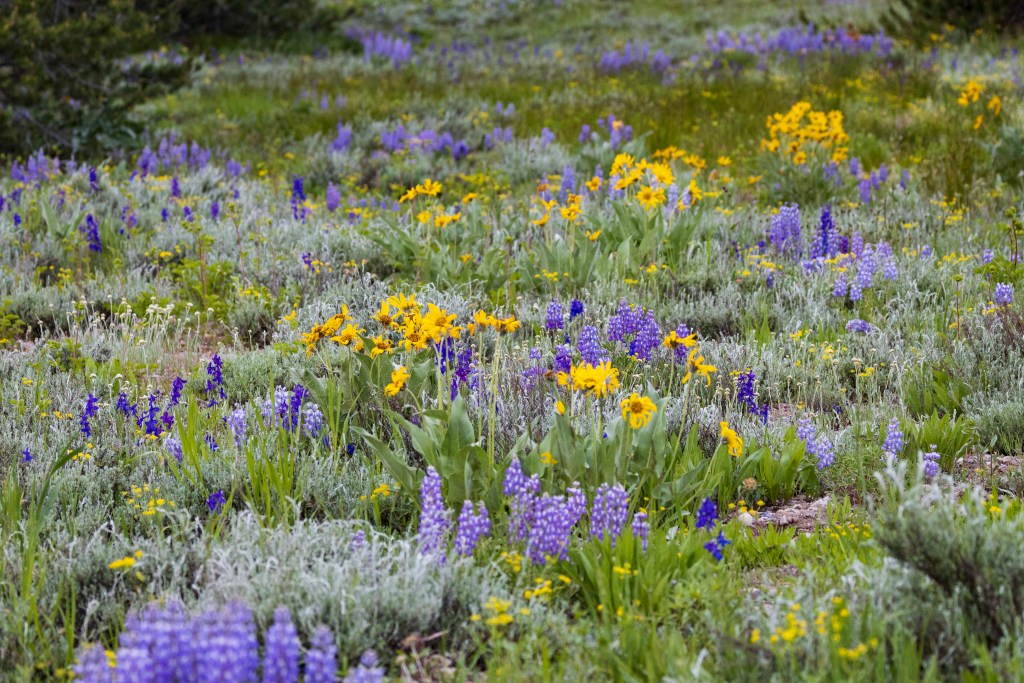
Soon the Arrowleaf Balsamroot dazzles park visitors with its vibrant clusters of blooms looking like a sea of mini sunflowers. It is a favorite subject for visitors to photograph in the foreground of the iconic mountain profile. Myself included!
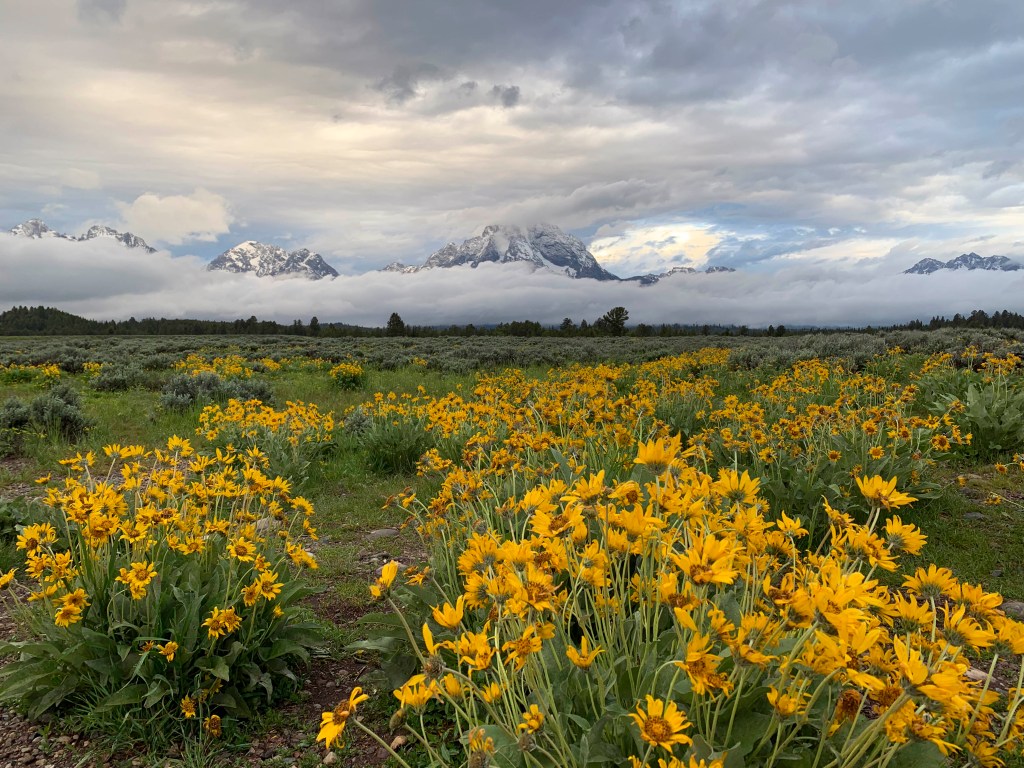
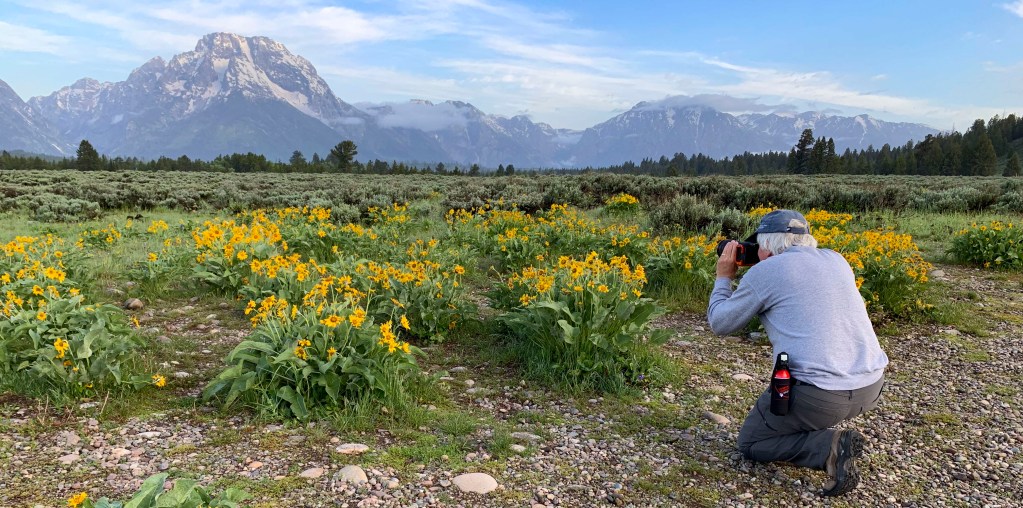
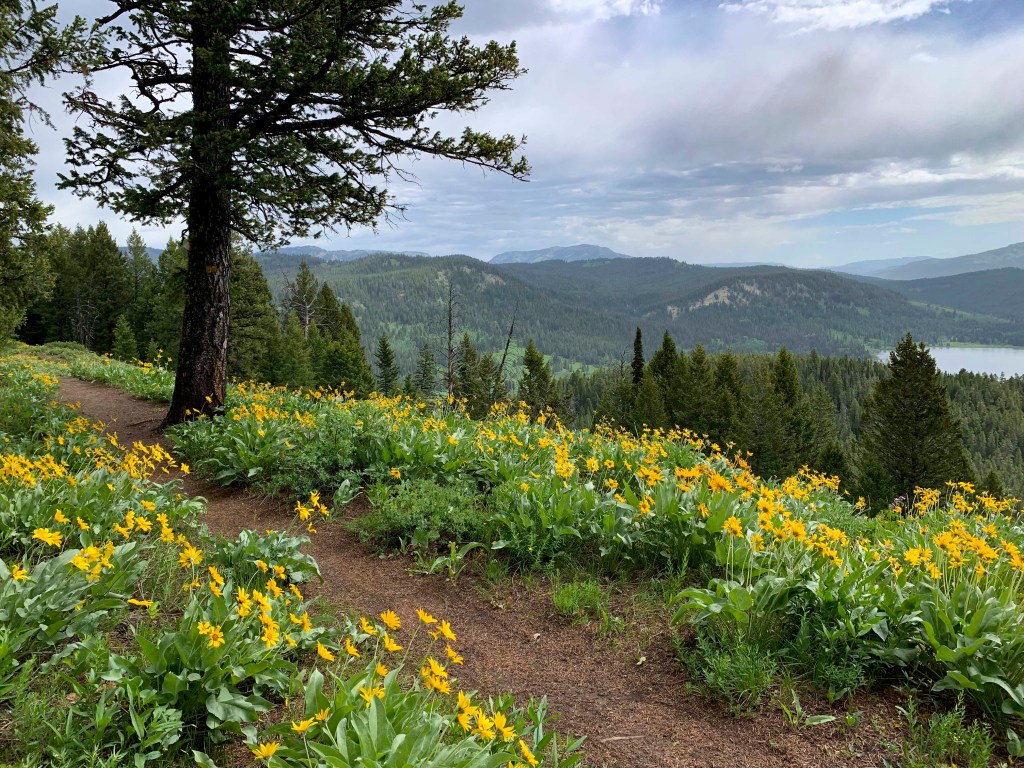
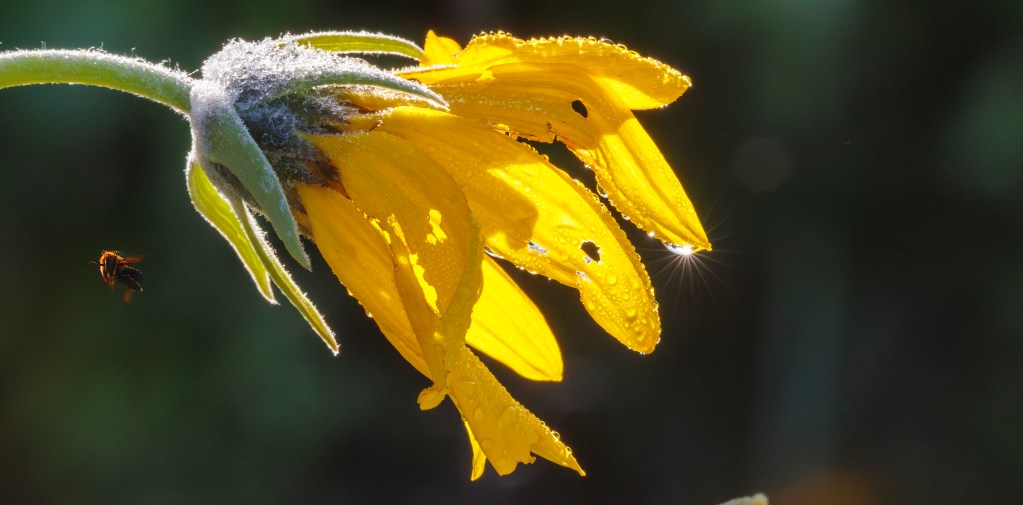
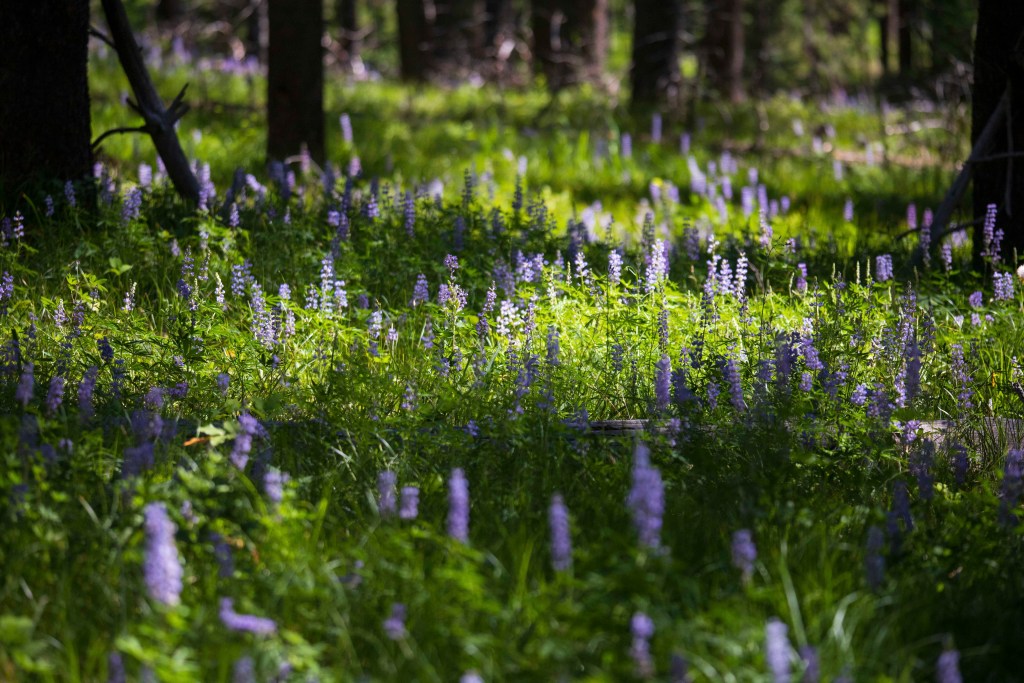
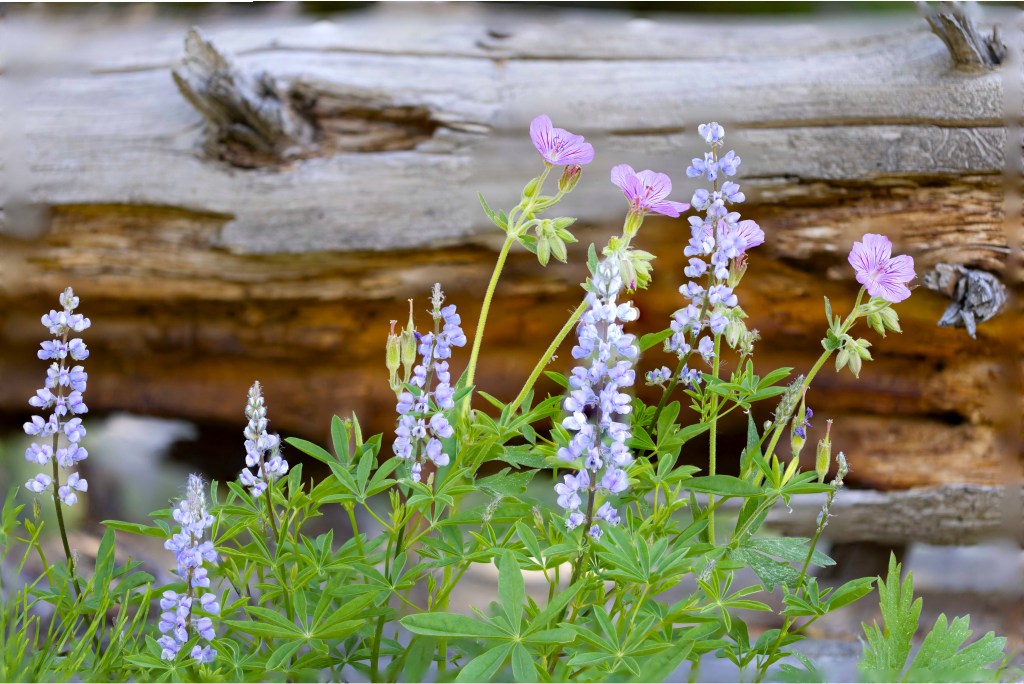
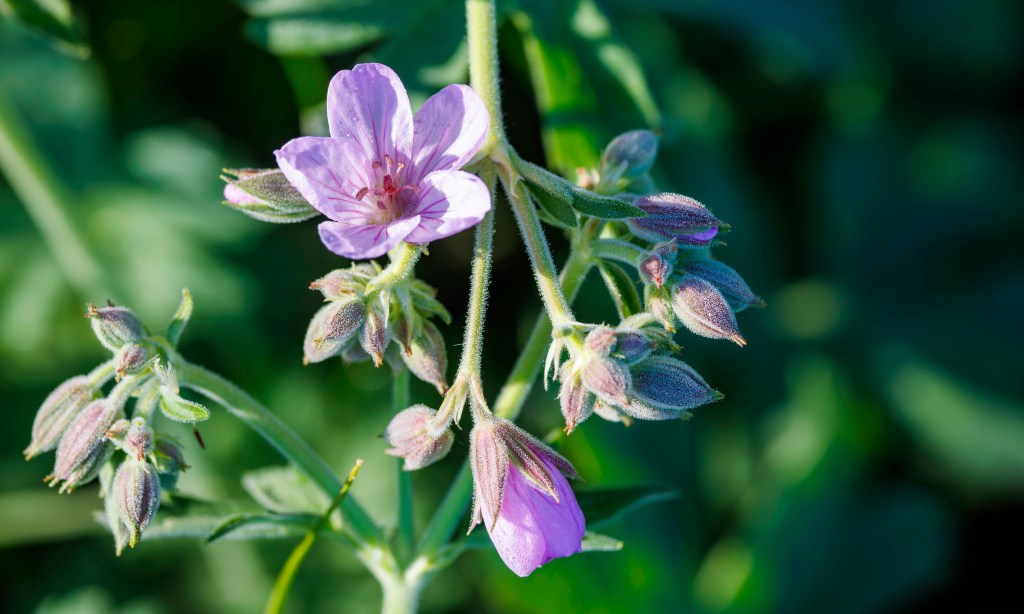
Just as the Balsamroot peaks, the pale blue and light lavender flowers burst on to the scene. Lupine has always been a favorite that I eagerly await to see. I love them in the fields of yellow flowers. I love them in the shade of the forest on a hike to Heron Pond. I love them along the roadside waving as cars go by. Sticky Geraniums follow close behind.


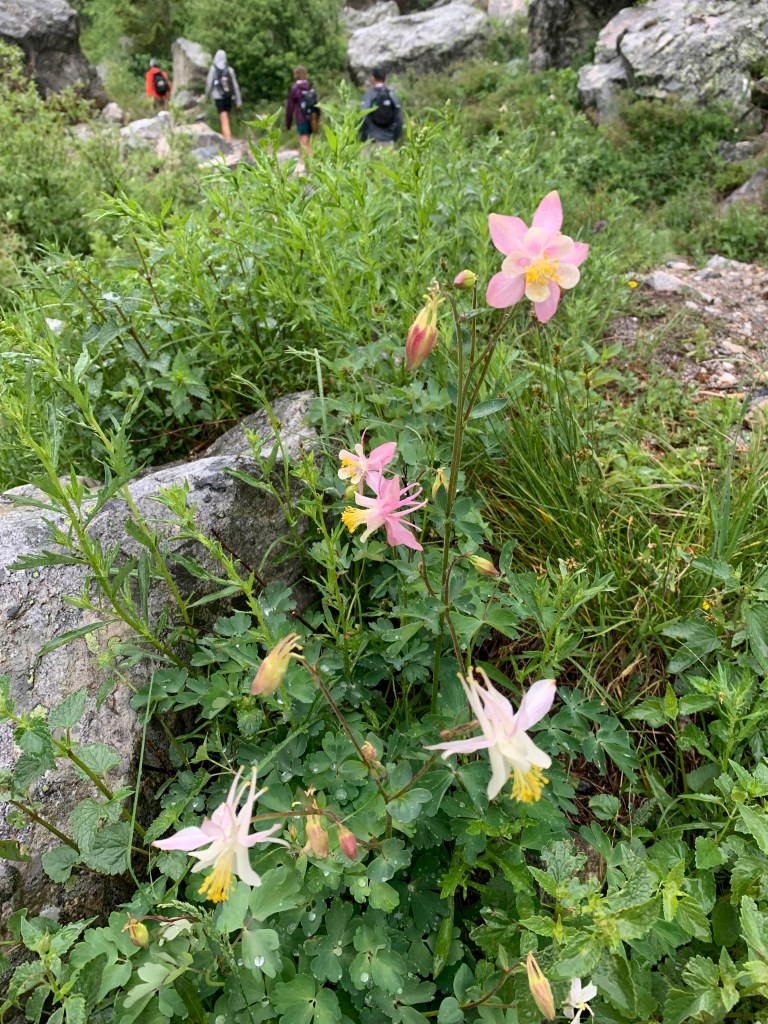
In the mountains, white and pink Columbine bloom in ones and twos.


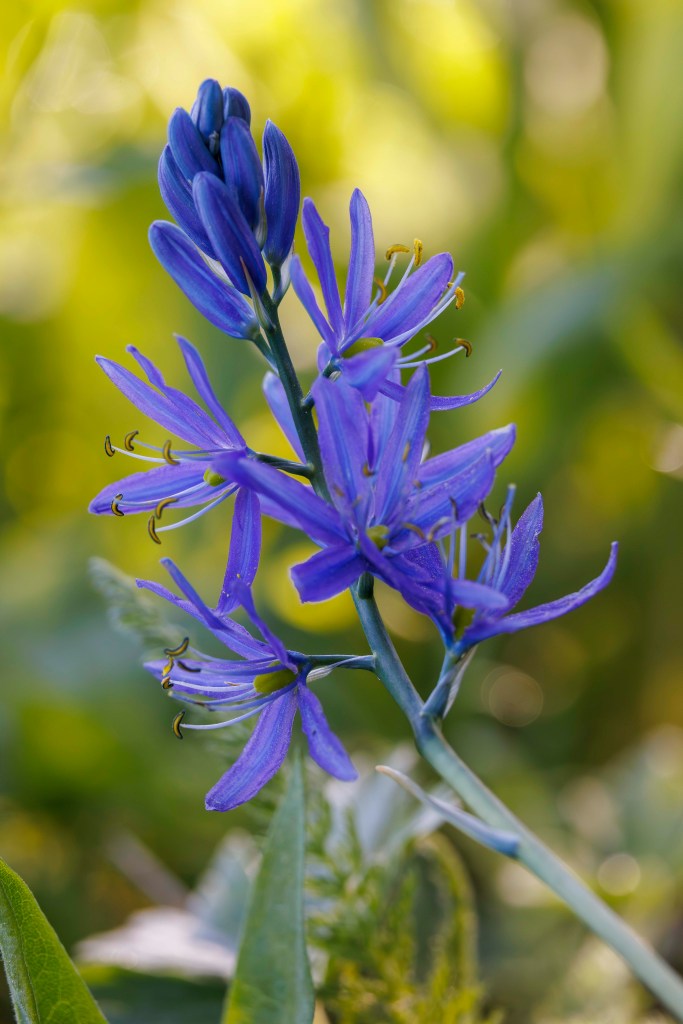
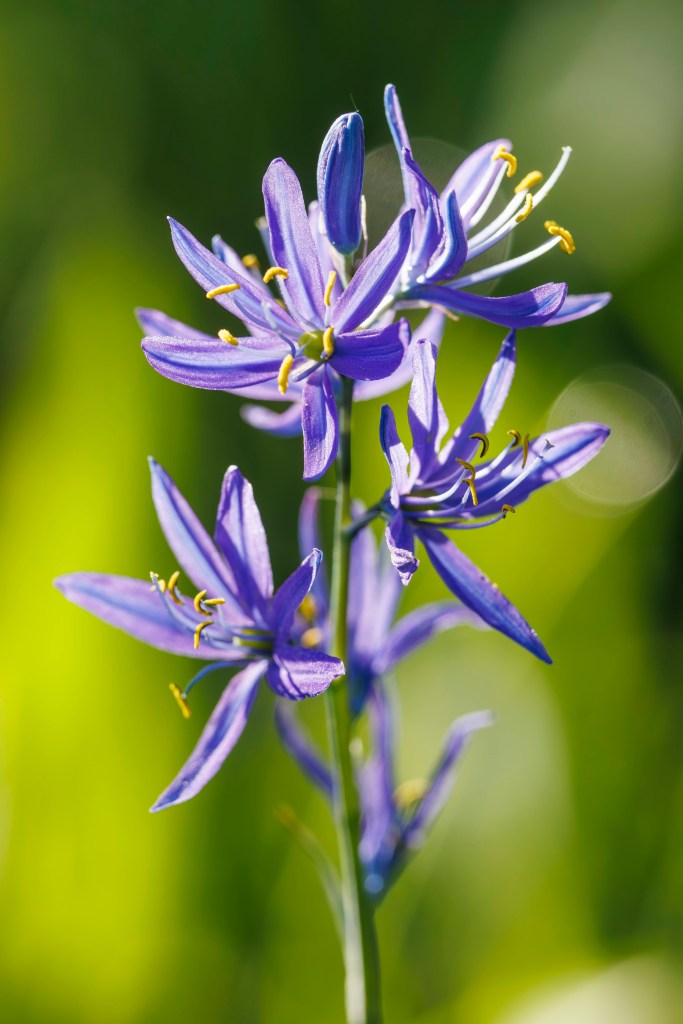
Another fun flower is the deep purple Camas. One meadow in the north end of the park is a wide canvas where nature paints with broad swirling strokes of royal purple. My boss says this is the largest field of Camas that he knows of in the ecosystem.



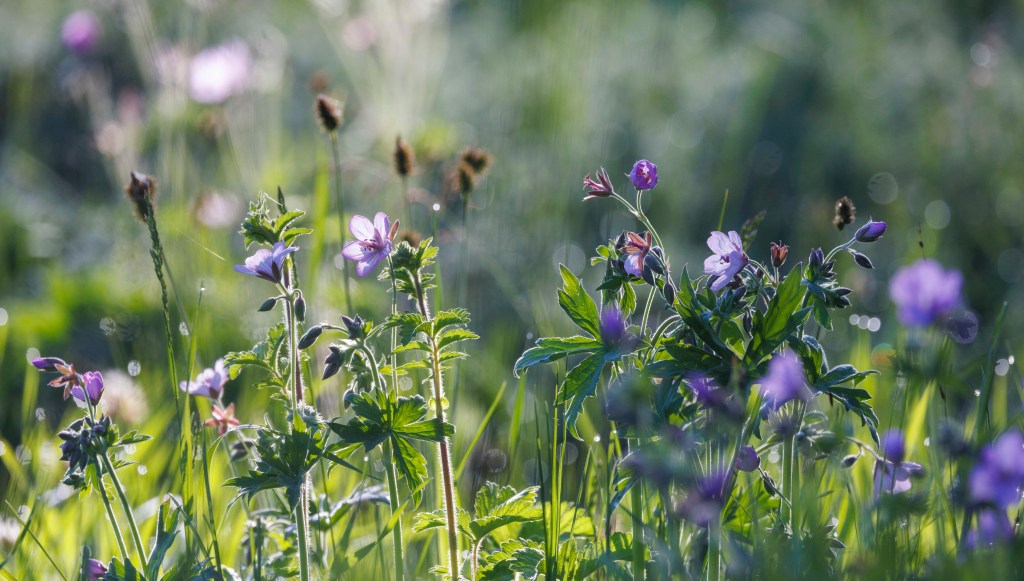
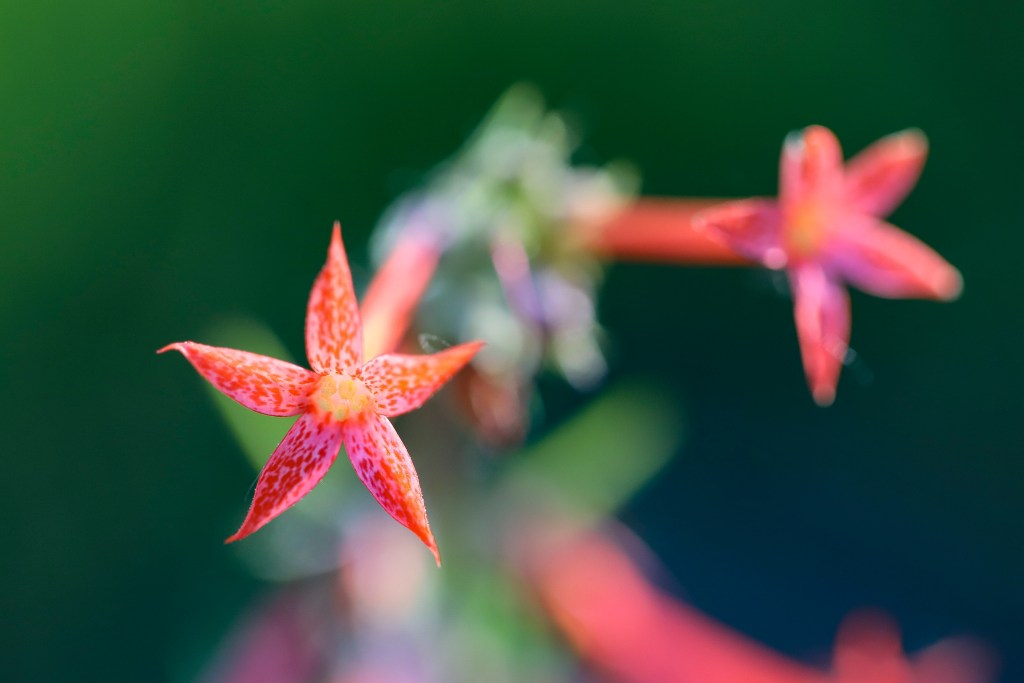
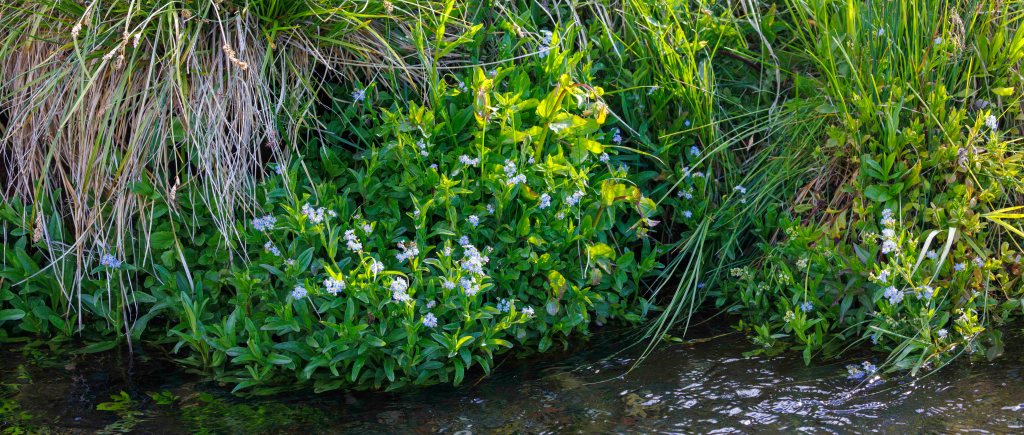
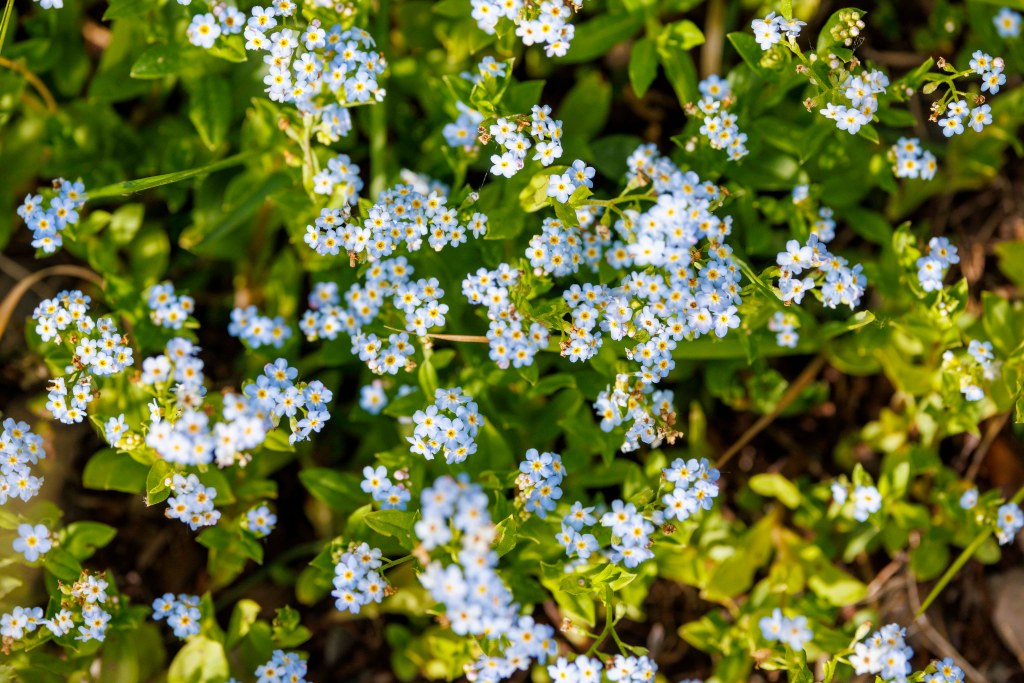
In the middle of June red begins to make its appearance on the landscape. Scarlet Gilia pop up, followed a week or two later by the flames of Paintbrush. New yellows appear as the Balsamroot, Biscuitroot, and Mules-ears fade in the summer heat. Pale blue Mountain Forget-me-nots nestle in the tall grasses at the river’s edge. Yellow Salsify and Balkan Toadflax fill in.

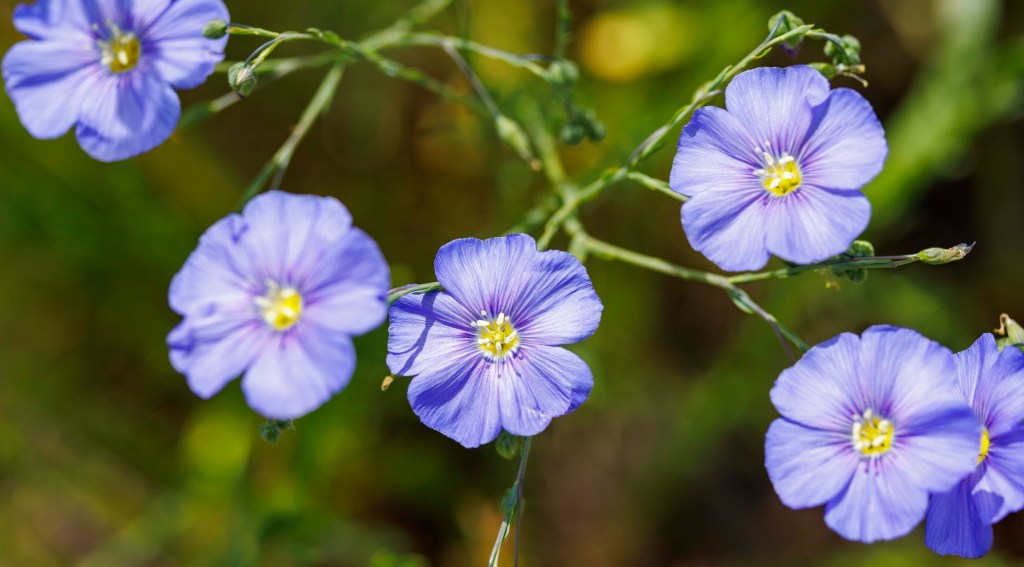
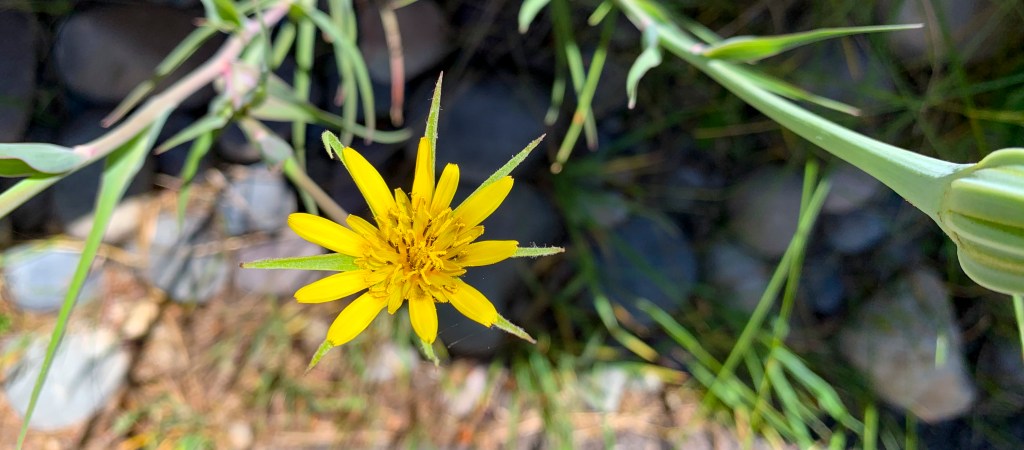
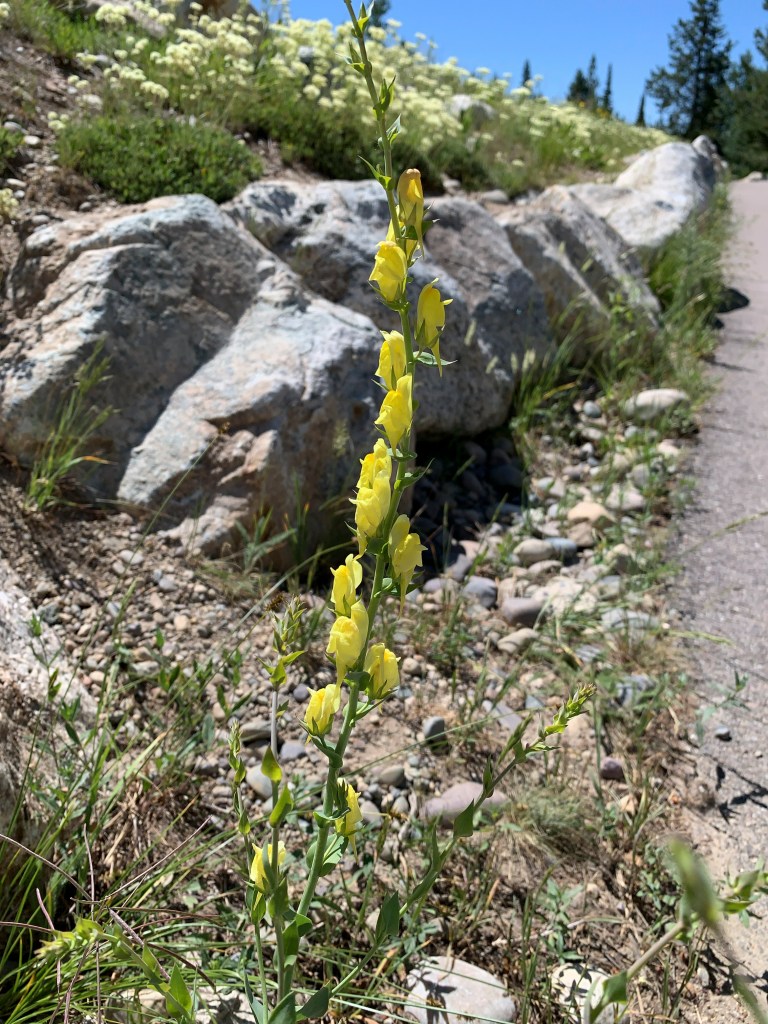
Hundreds of other flowers, some as tiny as a bead of water are here, living their quick and gorgeous lives. (Believe it or not, I did *not* post a photo of every flower I have.)
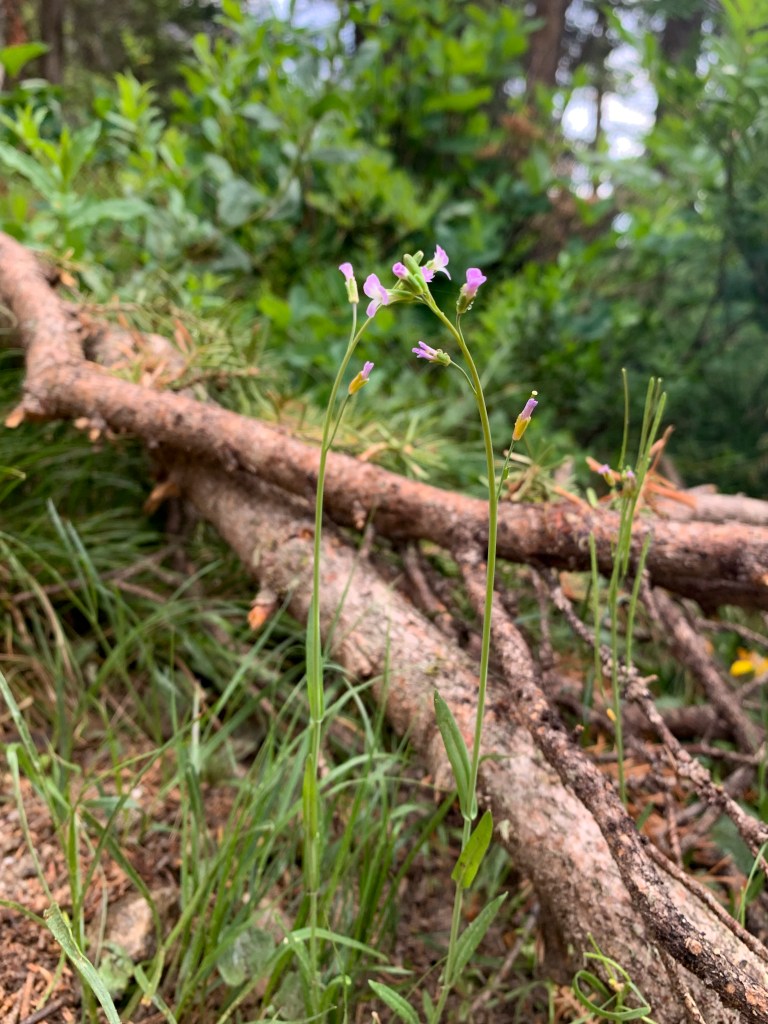

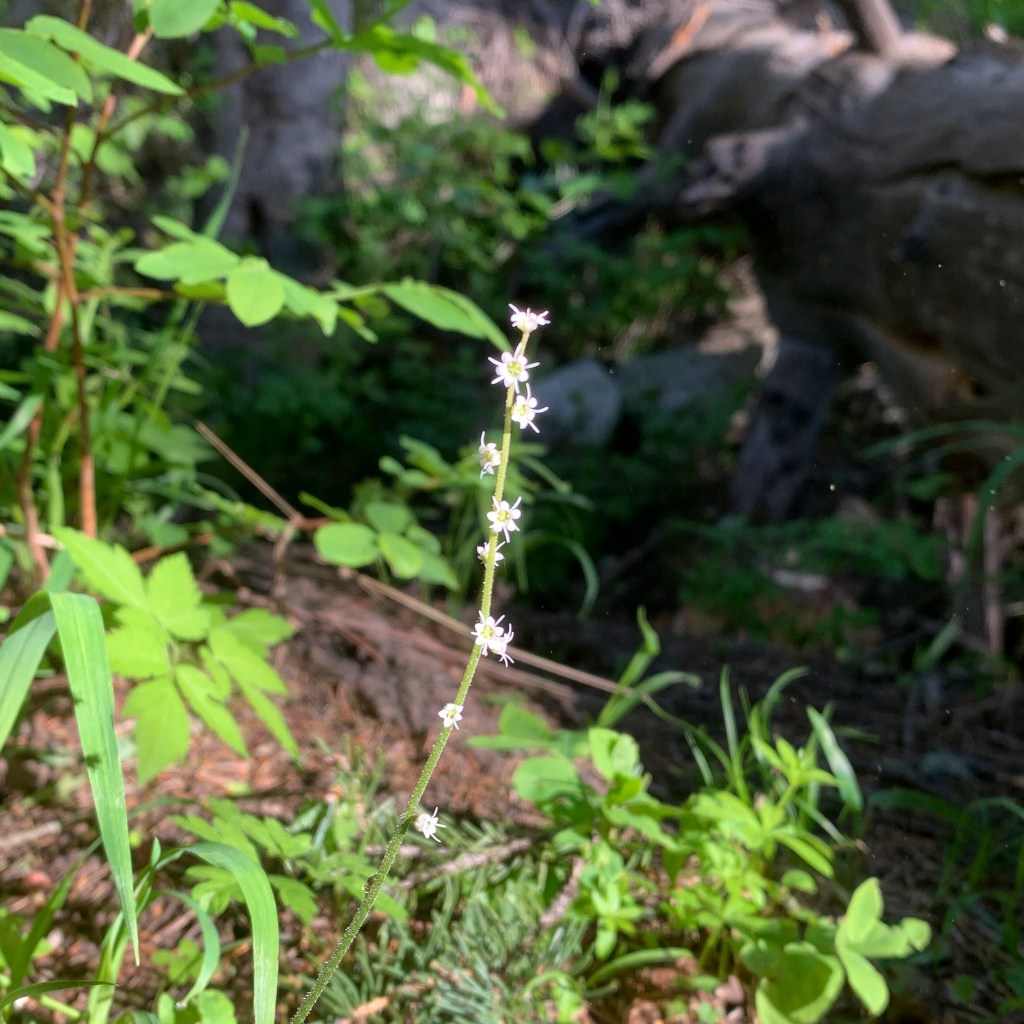
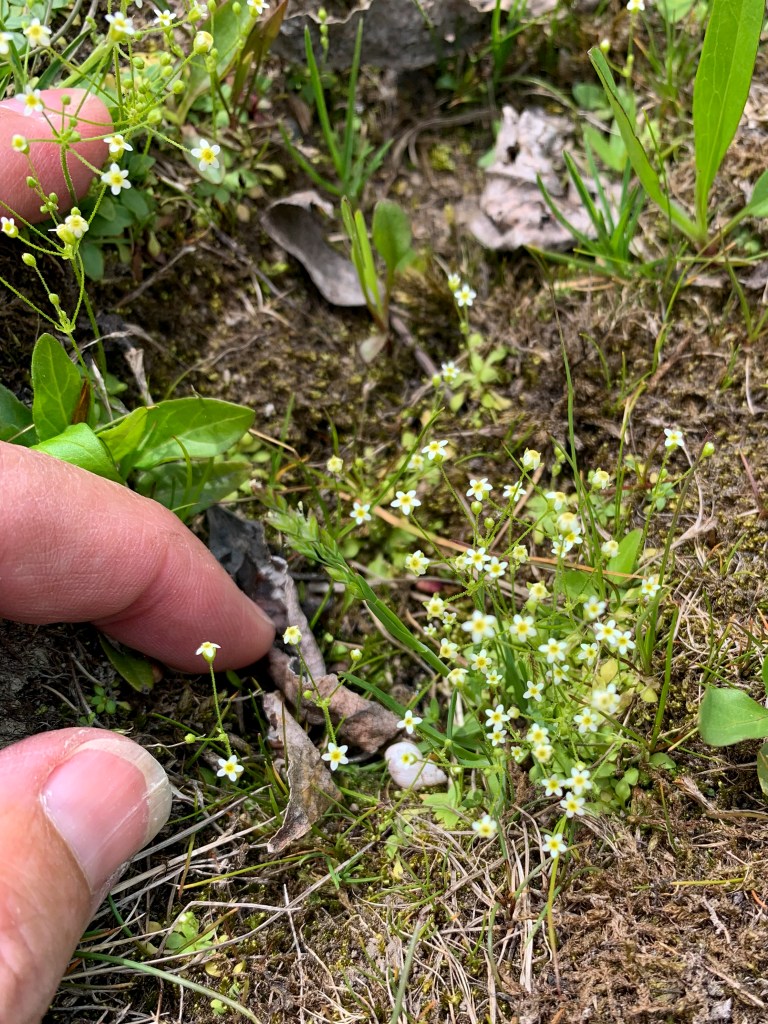
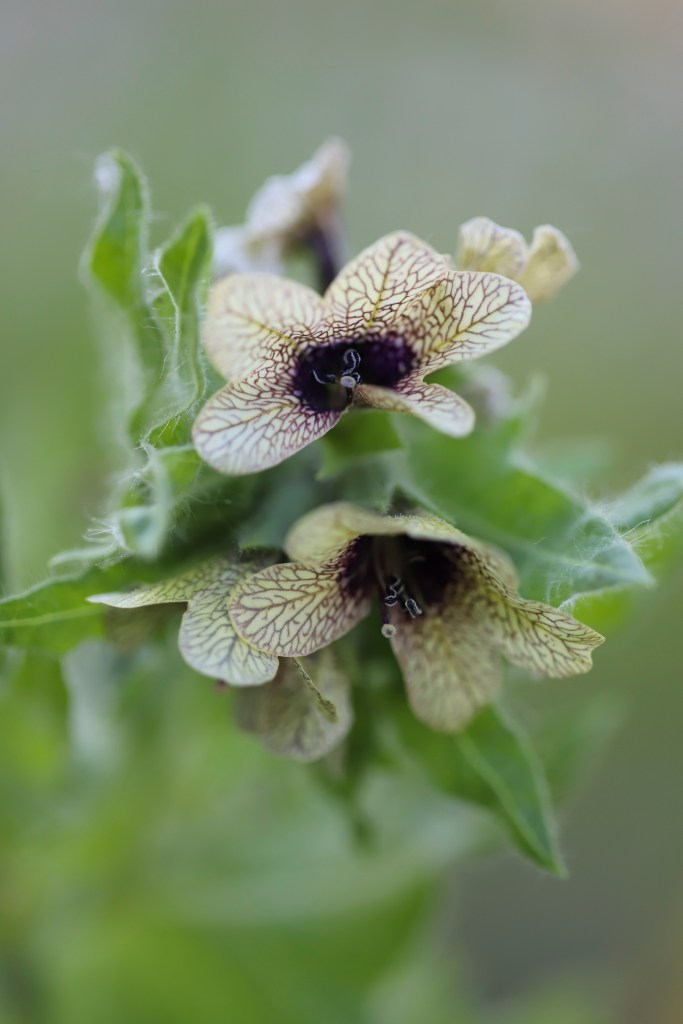
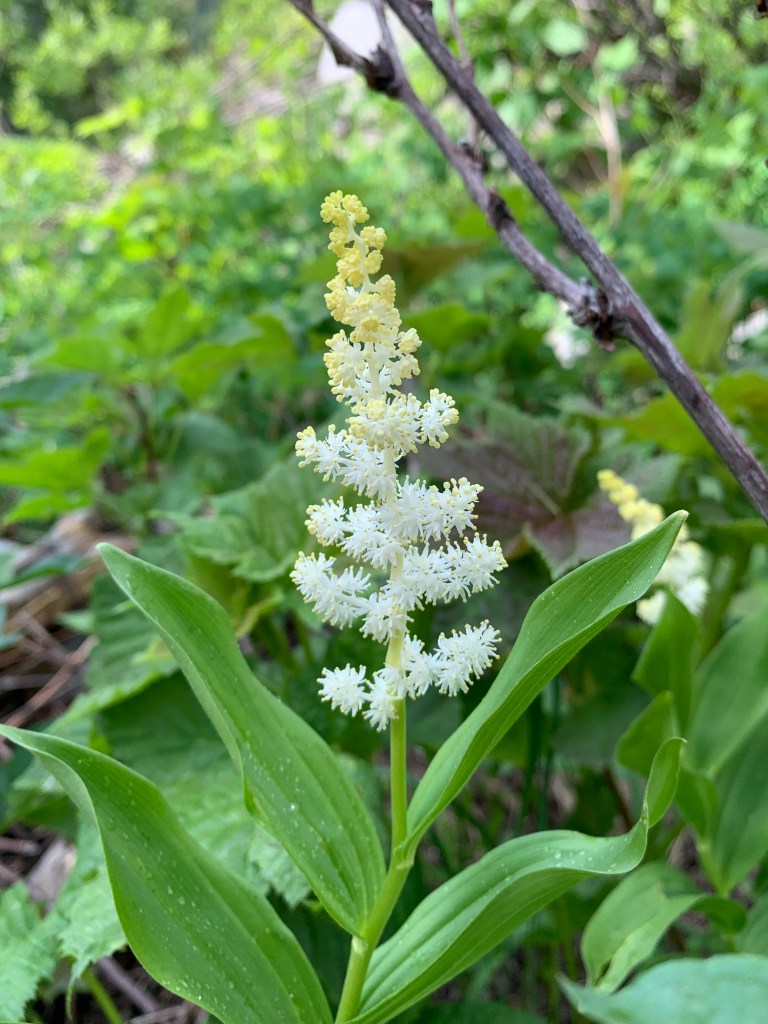

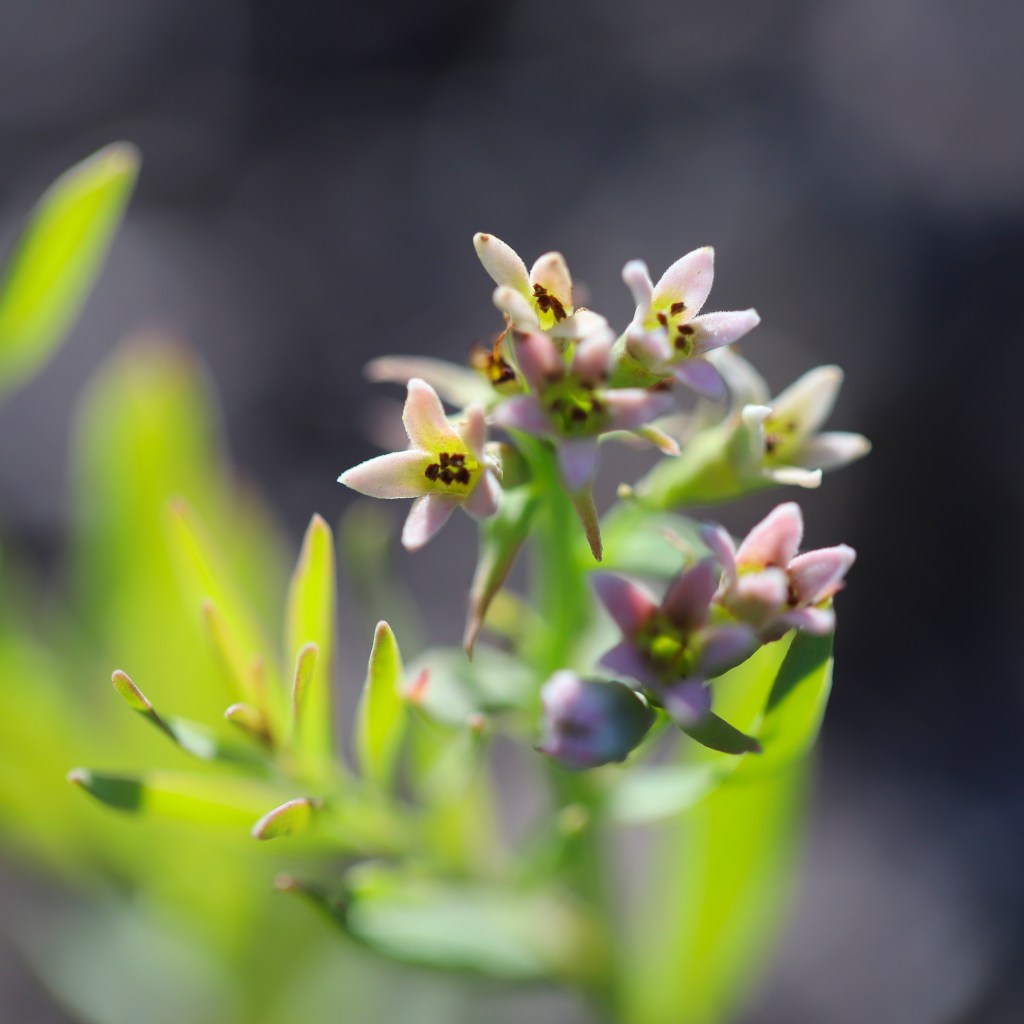
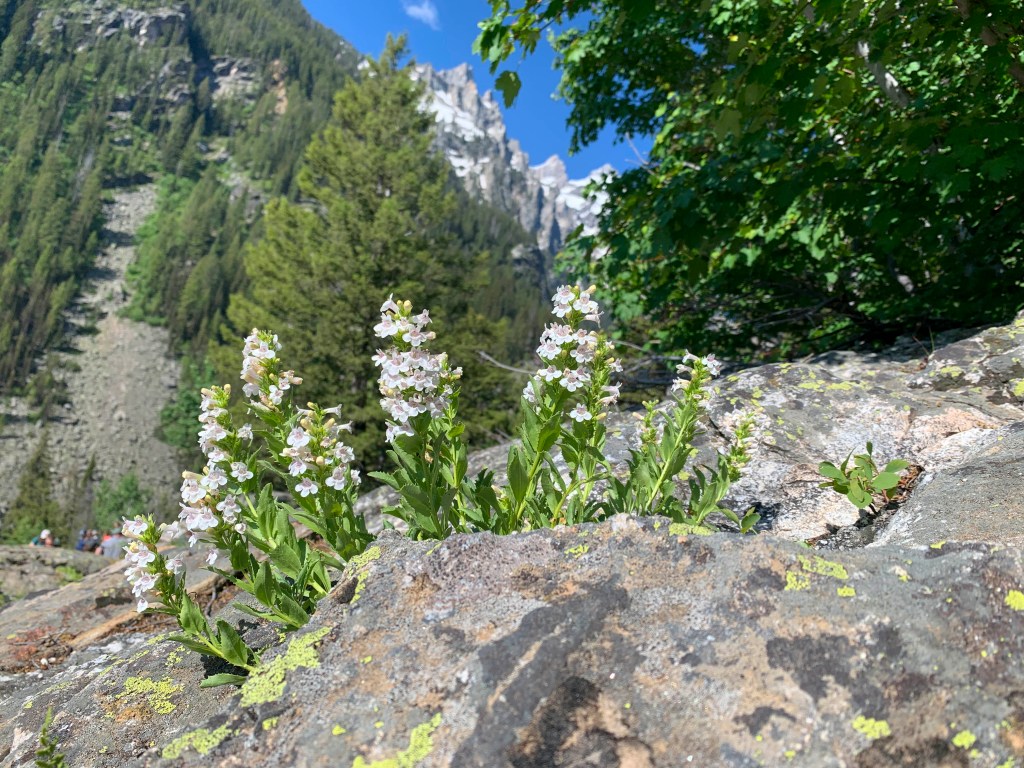

Curious as to why, in a native garden, the plants would appear in wave of color, as opposed to a big mix, I did a little light research and discovered several theories as to what is going on.
A few of the plausible explanations:
Pollinator Availability & Preferences
Pollinators change throughout the season, and flowers may evolve to match their timing and preferences:
- Early season (white flowers):
- White flowers attract generalist early-season pollinators, like flies and beetles, which are more active in cooler weather and may not see color well.
- Mid-season (yellow flowers):
- Yellow is attractive to bees, which become more abundant and active as temperatures rise.
- Bees see in the ultraviolet spectrum and perceive yellow as very vibrant.
- Late season (blues and reds):
- Blue and red flowers typically attract more specialized pollinators, such as bumblebees, butterflies, and hummingbirds, which are more prevalent later in the season.
Energy & Pigment Production
Different pigments require different energy and nutrient inputs:
- White requires little pigment—ideal for early season when resources are limited.
- Yellow comes from carotenoids, relatively easy for plants to produce once sunlight and nutrients increase.
- Blue and red colors often require anthocyanins, which are more complex and costly to produce—plants may wait until they have more resources available later in the season.
Evolutionary Strategy: Staggering Pollinator Attention
If all flowers bloomed the same color at once, they’d compete for the same pollinators. Sequential blooming of different colors may reduce interspecies competition and ensure pollinators stay in the area longer, providing reliable service throughout the season.
No matter the reason, I quite enjoy watching the color of flowers to mark the passing season.
Already, here in July, I can see grasses going brown, their large seed heads ripening, soon to fill the stomachs and larders of ground squirrels and gophers. There are patches of the deep reds and burgundies we associate with crisp fall creeping into view in a few spots in the park.

But for now, the sage and aspens are lush and green. The lakes shine blue, the rivers continue to run cold and fast, and the wildflowers are making the most of their time in the sun by putting on a delightful show across a colorfully exuberant landscape. I am lucky to be here.